
Dry Needling
Relieve Muscle Tension. Restore Movement. Reduce Pain.
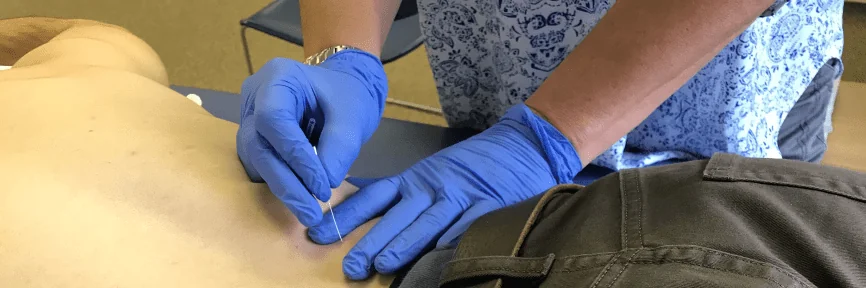
Dry Needling is an advanced physical therapy technique used to treat muscle pain and movement dysfunction. At ACCESS PT, licensed Physical Therapists use thin, sterile filament needles to target myofascial trigger points — often referred to as “muscle knots.”
These trigger points can contribute to pain, muscle tightness, weakness, and reduced movement quality. Dry needling is used as part of a comprehensive rehabilitation plan to help improve muscle function and support recovery.
What Are Myofascial Trigger Points?
Myofascial trigger points are tight, irritable spots within a muscle that may:
- Cause localized pain
- Refer pain to other areas
- Limit range of motion
- Contribute to weakness
- Affect movement patterns
These “knots” can develop due to injury, overuse, poor posture, stress, or prolonged muscle tension.
How Does Dry Needling Work?
During treatment, a therapist carefully inserts a thin filament needle into the trigger point. This technique may:
- Release muscle tension
- Improve blood flow
- Reduce pain signals
- Restore normal muscle activation
- Improve mobility
Dry Needling is not acupuncture. It is based on modern musculoskeletal and neuromuscular principles and is performed by trained therapists as part of orthopedic and sports rehabilitation.
What Can Dry Needling Help With?
When integrated into your overall therapy plan, Dry Needling may help:
- Reduce chronic or persistent muscle pain
- Improve range of motion
- Restore muscle function
- Decrease muscle tightness and guarding
- Support faster return to activity
- Improve tolerance for daily tasks and exercise
Many patients notice changes in muscle tension or movement shortly after treatment, although results vary depending on the condition and overall treatment plan.
What to Expect During Treatment
Dry Needling sessions are performed in a controlled clinical setting. You may feel:
- A brief twitch response in the muscle
- Mild pressure or cramping sensation
- Temporary soreness afterward (similar to post-exercise soreness)
Your therapist will monitor your comfort throughout treatment and combine Dry Needling with strengthening, stretching, manual therapy, and movement retraining to maximize results.
Who Can Benefit?
Dry Needling may be appropriate for individuals experiencing:
- Neck and back pain
- Shoulder pain
- Hip or knee pain
- Headaches related to muscle tension
- Sports injuries
- Chronic muscle tightness
- Movement restrictions
Your therapist will determine if Dry Needling is appropriate based on your medical history and specific conditions.
Take the Next Step
If muscle pain or tightness is limiting your movement, Dry Needling at ACCESS PT may be an effective addition to your rehabilitation program.
Our team is committed to helping you move more comfortably and return to the activities you love.
Schedule your evaluation today to learn if Dry Needling is right for you.