
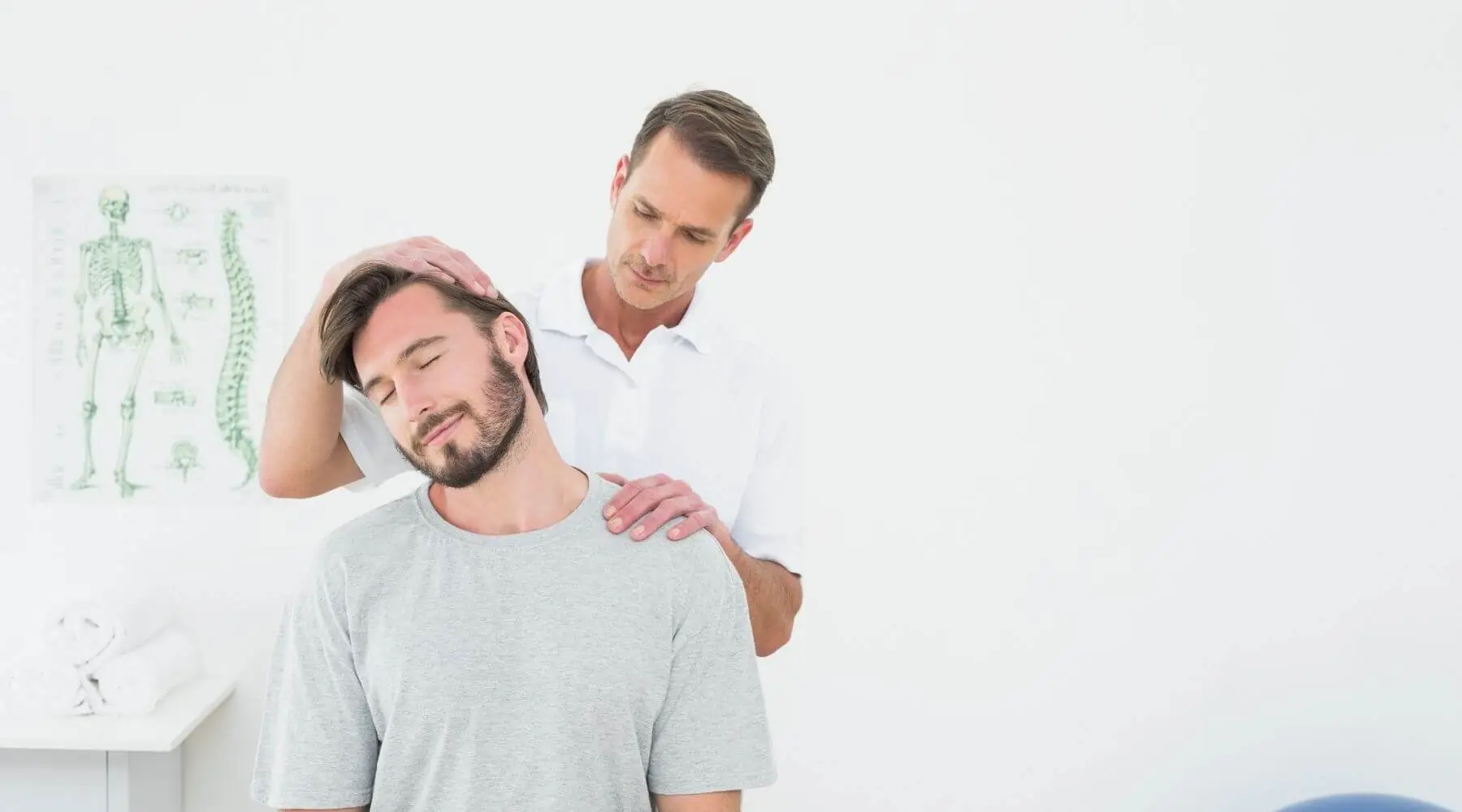
Concussion & Post-Concussion Care
Physical Therapy for Concussion & Post-Concussion Care
A concussion can affect far more than the moment of injury. Changes in balance, vision, concentration, reaction time, neck mobility, and tolerance to activity can make everyday tasks feel overwhelming.
For some individuals, symptoms resolve quickly. For others, they persist for weeks or months and interfere with work, school, sports, and daily life.
At ACCESS PT, Concussion & Post-Concussion Physical Therapy and management provides structured, individualized care to support recovery at every stage — whether symptoms are recent or ongoing. Our goal is to help reconnect the brain and body so you can move, think, and function with greater comfort and confidence.
Understanding Concussions
A concussion is a mild traumatic brain injury (mTBI) that occurs when the brain is jolted inside the skull. It may result from:
- Sports injuries
- Falls
- Motor vehicle accidents
- Work-related incidents
Symptoms vary widely and may include:
- Headaches or head pressure
- Dizziness or balance problems
- Neck pain or stiffness
- Sensitivity to light or sound
- Fatigue or reduced activity tolerance
- Difficulty concentrating or mental fog
- Visual disturbances or blurred vision
While rest is important early in recovery, prolonged symptoms often benefit from guided rehabilitation. Therapy plays a key role in addressing balance, vestibular, visual, cervical spine, and movement-related changes that commonly follow a concussion.
What Is Concussion & Post-Concussion Therapy?
This specialized service is designed for individuals experiencing symptoms after a concussion — whether immediately following injury or months into recovery.
At ACCESS PT, therapists trained in concussion care evaluate how the injury affects:
- Balance and coordination
- Vestibular function (inner ear system)
- Eye movement and visual tracking
- Neck mobility and posture
- Tolerance to physical and cognitive activity
Treatment focuses on restoring normal function while reducing symptoms in a safe, progressive manner.
Why Therapy Helps After a Concussion
Following a concussion, the nervous system can become overly sensitive to movement, light, noise, and exertion. Completely avoiding activity may delay recovery.
Therapy provides a structured, evidence-based approach that helps the body safely adapt and recover.
Therapy may help by:
- Improving balance and coordination
- Reducing dizziness and motion sensitivity
- Addressing neck-related headaches and stiffness
- Restoring visual control and eye movement coordination
- Gradually rebuilding tolerance to exercise and cognitive tasks
- Teaching pacing strategies to prevent symptom flare-ups
This approach supports recovery while reducing the risk of prolonged or recurring symptoms.
What to Expect During Treatment
Comprehensive Evaluation
Your Physical Therapist begins with a detailed assessment of your injury history, symptoms, daily demands, and goals. Balance, gait, posture, cervical spine mobility, eye movement, and symptom response to activity are carefully evaluated.
Personalized Recovery Plan
Based on your findings, an individualized plan is developed. Treatment may include:
- Balance and vestibular exercises
- Visual and eye-movement retraining
- Cervical spine manual therapy
- Posture and movement retraining
- Gradual, monitored aerobic conditioning
- Symptom-guided activity progression
Education & Self-Management
You’ll learn how to recognize triggers, manage energy levels, and safely return to work, school, sport, and daily routines.
Ongoing Progression
As symptoms improve, therapy advances to support higher-level physical and cognitive demands.
Supporting a Safe Return to Activity
Returning to activity too quickly can worsen symptoms and delay recovery. Our program emphasizes gradual, symptom-guided progression.
For athletes, this may include:
- Sport-specific drills
- Reaction time training
- Balance under dynamic conditions
- Structured return-to-play progression
For non-athletes, therapy focuses on:
- Safe return to work
- Improved screen tolerance
- Driving readiness
- Recreational activity participation
- Who Can Benefit?
Concussion & Post-Concussion Therapy may benefit individuals who:
- Have recently sustained a concussion
- Continue to experience symptoms weeks or months later
- Feel dizzy or unsteady
- Experience ongoing headaches or neck pain
- Struggle with screen time or concentration
- Need guidance returning to school, work, or sport
Care can be effective at multiple stages of recovery.
Take the Next Step Toward Recovery
You do not have to navigate concussion recovery alone.
At ACCESS PT, we provide compassionate, evidence-based care to help you recover safely and confidently.
Schedule your evaluation today.